The text below is an edited, shorter version of an article by Egest Balla on 19th August 2026. Access the full version here.
Data centres are increasing demand for metals beyond traditional cabling, with busbars, electrical distribution equipment and cooling systems also contributing to metallic demand. The expanded forecast now covers these non-cable applications alongside metallic wire and cable demand, reflecting the changing infrastructure requirements of increasingly power-dense data centres.
Which parts of data centres are driving demand for metals beyond cables?
Power distribution and cooling systems are key sources of non-cable metallic demand in data centres.
The expanded forecast includes:
- Server rack busbars and overhead busways
- Switchgear and UPS systems, including their internal busbars
- Chillers and heat-exchange pumps
- Rack cooling systems, including in-row and in-rack air conditioning and direct liquid cooling via cold-plate technology
Rack cooling systems represent one of the fastest-growing components of non-cable metallic demand in modern data centre builds. Cold-plate systems use copper manifolds, tubing and plate assemblies, while increasing rack power densities are driving greater thermal loads.
How could higher power densities change data centre copper demand?
Higher power densities are increasing the requirements for power distribution while creating opportunities to reduce copper intensity through higher-voltage systems.
Next-generation AI-optimised server racks are pushing power consumption towards 1 MW per rack and beyond. At these power levels, conventional low-voltage systems require very high currents and larger conductors.
The shift from conventional 415V AC towards 800V DC can reduce the current required to deliver the same power. Industry analysis cited in the forecast suggests this transition could reduce total copper requirements by around 45%, alongside gains in energy efficiency, total cost of ownership and long-term maintenance.
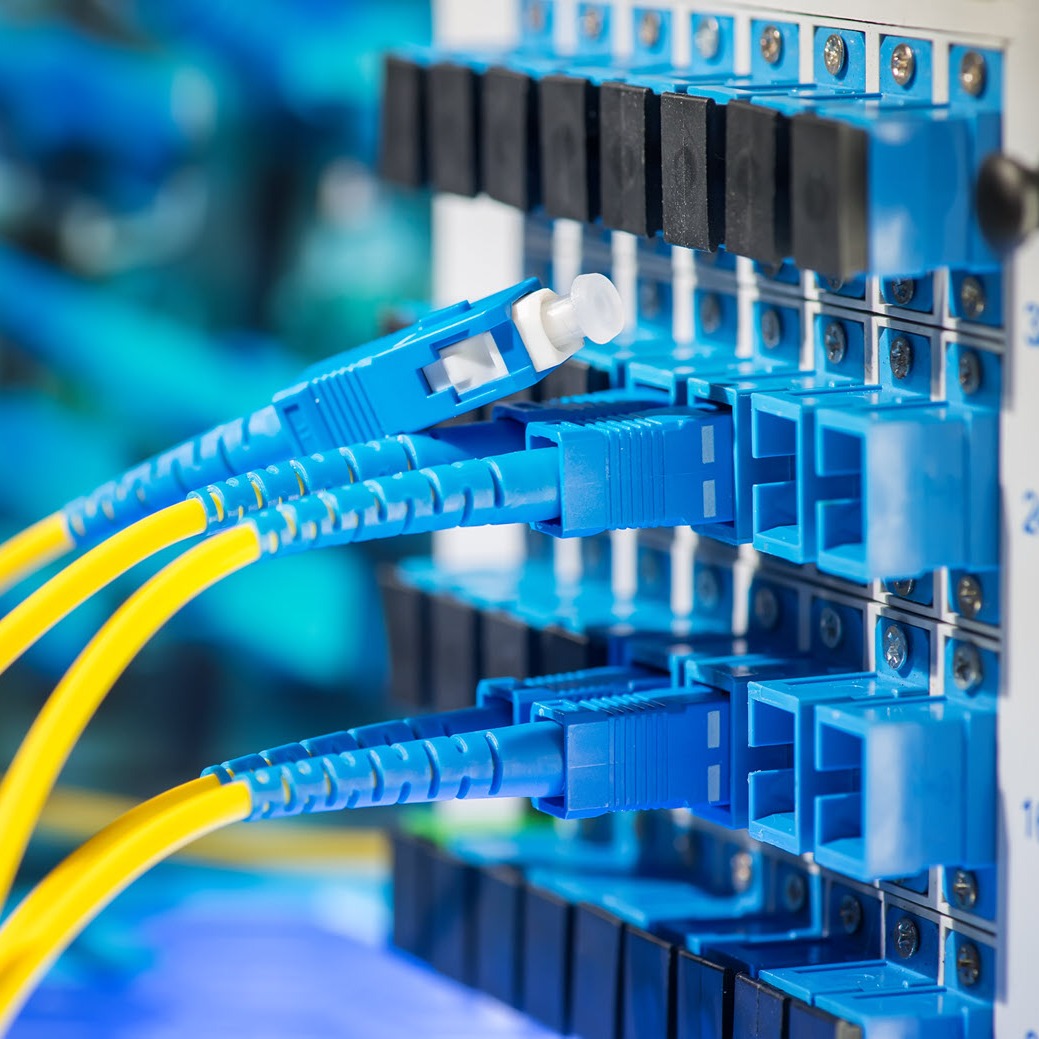
Optical-based networking is another development affecting copper intensity. As AI workloads require greater intra-rack and inter-rack bandwidth, fibre optic alternatives can substitute for traditional copper data cables in some applications.
Could aluminium gain share of data centre metals demand?
Yes, aluminium is expected to gain market share across cabling and other distribution equipment components as cost and lead-time advantages become more important.
Copper is still expected to remain the larger conductive material in demand terms over the long term. The changing material mix is therefore an important part of the longer-term metallic demand outlook.
What is the outlook for data centre metals demand?
Combined copper- and aluminium-based cable and non-cable metallic demand is expected to reach around 850–900 kt in 2026 and upwards of 1,500 kt by 2030 in the base case.
The 2026 forecast represents approximately 25% year-on-year growth from 2025, while the 2030 outlook represents approximately 11% CAGR over the following years.
As higher-voltage power distribution, optical-based data transmission and aluminium substitution develop, the amount of metal required per unit of power delivered and processed across data centre campuses is expected to decline over the longer term.
To discuss this further, please contact us today.